


When people hear “hormone imbalance,” they often think of conditions like menopause. In reality, hormone imbalances can affect adults of any age and both sexes. Fatigue, weight changes, mood shifts, irregular periods, and low libido can all be signs of an underlying hormonal issue.
Hormone imbalances can develop during many stages of adulthood. Their symptoms often overlap with stress, aging, or other medical conditions, making them easy to overlook. Recognizing the warning signs is an important first step, but proper testing is the only way to identify the underlying cause.
Symptoms Can Overlap
Fatigue, mood changes, weight shifts, and low libido can have many possible causes.
Timing and Context Matter
Hormone results should be reviewed alongside symptoms, medical history, and the timing of testing.
Look at the Whole Picture
A thorough evaluation may also consider thyroid function, metabolic health, stress, and sleep.
Hormone Imbalance Isn’t Just a Menopause Issue

Menopause is a real and significant hormonal transition, but it is one chapter in a much longer story. Men experience their own gradual hormone decline starting in their thirties, often called andropause, though it isn’t talked about as often. Nearly 40 percent of men over 45 have clinically low testosterone. Only about one in five of those men is ever diagnosed or treated.
Younger women face their own version of this gap. Conditions like polycystic ovary syndrome, thyroid dysfunction, and stress-driven cortisol disruption can all produce symptoms of hormonal imbalance in women decades before perimenopause becomes a consideration. A twenty-something with irregular periods and stubborn weight gain is often told to eat less and exercise more. The actual driver is frequently hormonal.
Common Hormone Imbalance Symptoms
Hormones influence nearly every system in the body, which is why hormone imbalance symptoms can manifest all over.
- Persistent fatigue that does not improve with rest, sleep, or caffeine
- Brain fog, difficulty concentrating, or a noticeable drop in mental sharpness
- Weight changes that resist diet and exercise, particularly fat gain around the midsection
- Poor or unrefreshing sleep, even when total hours seem adequate
- Mood swings, irritability, or new anxiety that does not match life circumstances
- Low libido in both men and women
- Hair thinning or changes in hair texture
- Irregular, heavier, or absent menstrual cycles
Any one of these symptoms has dozens of possible explanations unrelated to hormones. That is why it is important not to jump to conclusions based on a single symptom. Looking at how multiple symptoms fit together provides a much clearer picture.
Early Signs of Hormone Imbalance Are Easy to Miss
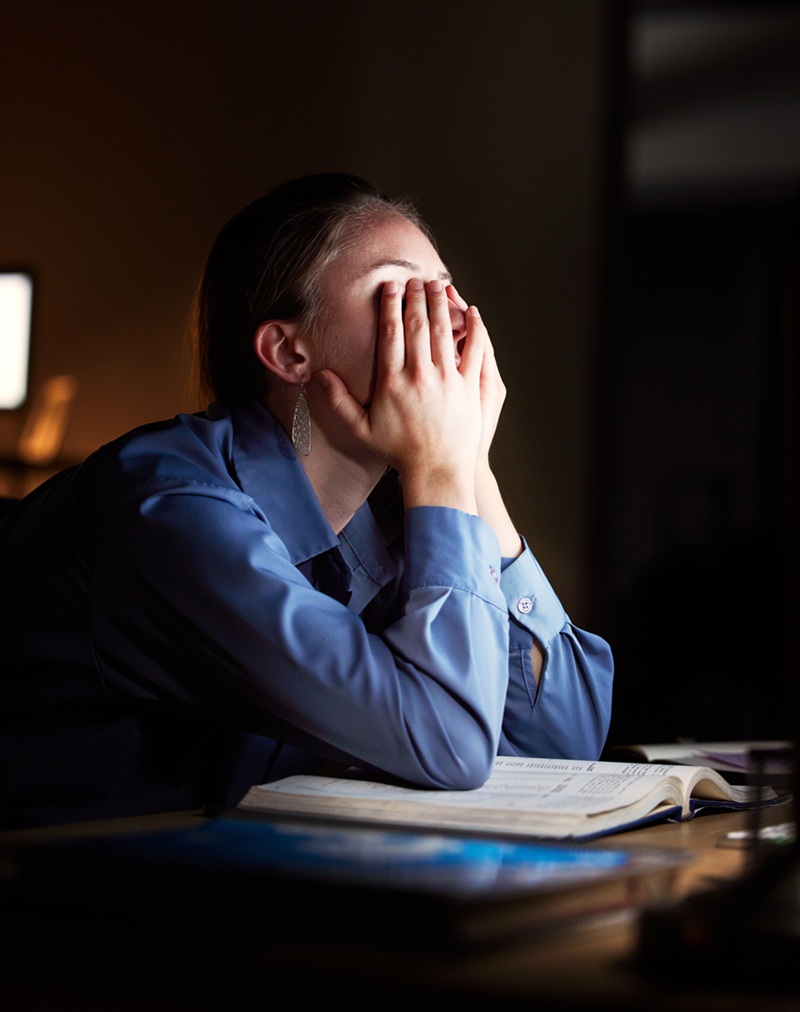
Early signs of hormone imbalance tend to be subtle enough that people adapt around them rather than address them directly. Someone starts going to bed earlier to compensate for fatigue. Someone else switches to looser clothing rather than questioning a slow shift in body composition. These adjustments delay the moment someone actually raises the issue with a provider, sometimes by years.
That delay matters because hormone imbalances fluctuate over time, and early detection can help minimize the effects. Catching the early pattern, rather than waiting for symptoms to become disruptive, tends to produce a clearer picture during testing.
What Causes Hormone Imbalance Beyond Aging
Aging plays a role, but what causes hormone imbalance extends well beyond the natural decline that comes with getting older.

- Chronic stress, which keeps cortisol elevated and can suppress thyroid function and reproductive hormones over time
- Thyroid dysfunction, which affects metabolism, energy, and mood independently of sex hormones
- Insulin resistance, which disrupts the hormonal signaling involved in hunger, fat storage, and energy regulation
- Chronic sleep deprivation, which blunts the nightly hormone cycles the body relies on for repair and regulation
- Certain medications and underlying health conditions that alter hormone production or metabolism
Several of these causes overlap and compound each other in ways that are easy to miss. Poor sleep raises cortisol. Elevated cortisol worsens insulin resistance. Insulin resistance affects how the body manages other hormones entirely. Untangling which factor started the pattern is part of what proper evaluation is actually for. When testing confirms a hormone imbalance, treatment depends on the specific hormone involved and the individual’s health history. For some patients, bioidentical hormone therapy may be one option as part of a personalized treatment plan.
Fatigue Caused by Hormone Imbalance
Fatigue caused by hormone imbalance has a specific quality that distinguishes it from ordinary tiredness. The distinction is easy to miss without knowing to look for it. Hormonal fatigue often persists despite adequate sleep. It follows a predictable daily pattern such as a hard afternoon crash. It does not respond to the usual fixes like more coffee or an earlier bedtime.
That pattern points toward specific hormonal systems. A cortisol rhythm that peaks at the wrong time of day, a thyroid that is running slow, or declining sex hormones can all produce fatigue that looks identical on the surface. Each one requires a completely different approach to resolve.
Hormone Imbalance Testing Done Right

Hormone testing is only one part of evaluating a possible hormone imbalance. Lab results need to be interpreted alongside a person’s symptoms, medical history, and overall health. A result within the standard reference range does not always explain why someone feels unwell, but it also should not be viewed in isolation.
Timing matters as well. Cortisol follows a daily rhythm, and testosterone is typically highest in the morning. Testing at the wrong time can make results more difficult to interpret. A thorough evaluation may also include thyroid function, metabolic health, and other laboratory markers that can contribute to similar symptoms. This type of comprehensive assessment is often easier within an ongoing primary care relationship, where providers can evaluate symptoms over time instead of relying on a single appointment. Looking at the complete picture helps identify whether hormones are truly the cause or whether another condition deserves attention.
Looking at the Whole Picture, Not Just the Symptom
Hormone imbalances rarely affect just one part of the body. Fatigue, weight changes, mood shifts, and sleep problems often occur together, making it important to look beyond a single symptom or lab result. A thorough evaluation considers hormone levels alongside thyroid function, metabolic health, stress, and other factors that can contribute to similar symptoms.
Because no two people experience hormone imbalance the same way, treatment should begin with understanding the underlying cause rather than managing symptoms one at a time. The right evaluation provides a clearer picture of what’s happening and helps guide a treatment plan tailored to the individual.


